Aromatherapy at Work in Singapore: Why Businesses Need to Be Careful What Their Scent Claims

Fragrances by drom, MunichFormulated within the IFRA StandardsBased at 9 Raffles Place
Key takeaways
- Businesses in Singapore can use aromatherapy-style scents such as lavender, citrus and eucalyptus, but should be careful what they claim.
- Saying a scent reduces stress, improves health or purifies the air is a health claim, and most businesses cannot support it.
- Describe scent in sensory terms, such as fresh, calm or welcoming; use fragrance formulated within the IFRA Standards; keep levels low.
- Scent Marketing Singapore helps offices, spas and clinics choose scents and word them responsibly.
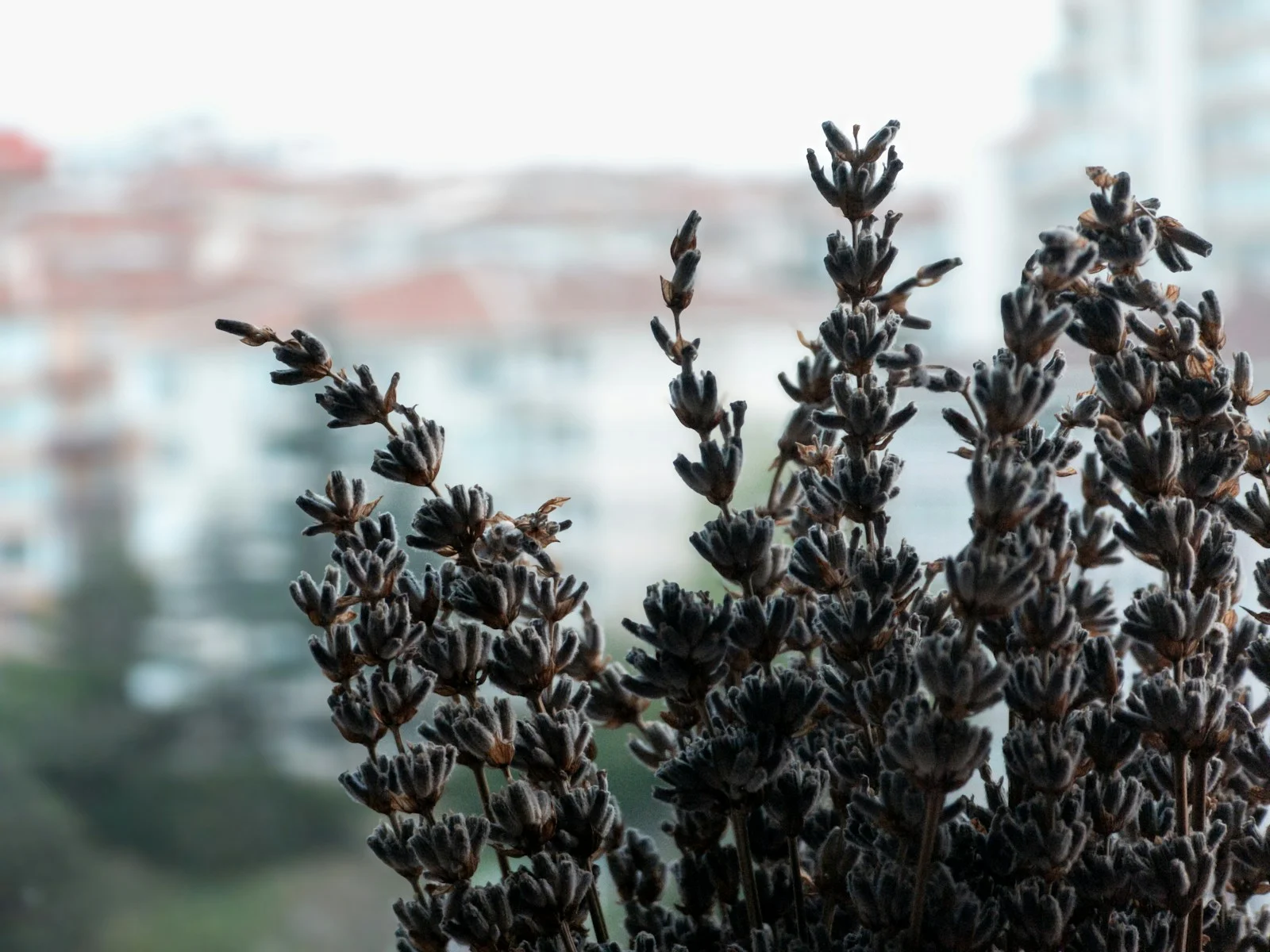
Businesses in Singapore can use aromatherapy-style scents such as lavender, citrus and eucalyptus at work, but they need to be careful what they claim. Saying a scent reduces stress, improves health or purifies the air is a health claim, and most businesses cannot support it. Describe scent in sensory terms, such as fresh, calm or welcoming, use fragrance formulated within the IFRA Standards, and keep levels low for everyone who shares the space.
Aromatherapy, aromachology and scent marketing
Aromatherapy uses essential oils with the aim of improving wellbeing, and it makes claims that sit close to health. Aromachology studies how scent affects mood and behaviour without health claims; see aromachology. Scent marketing uses fragrance to shape how people experience a space and a brand. In a business, it is safest to stay on the aromachology and scent marketing side of that line.
A scientific review of aromatherapy concluded that there is little evidence that scents act on mood and health in the ways often claimed, and that most of the effects people experience can be explained by expectation and learned associations: we feel calmer with lavender partly because we expect to (Herz, International Journal of Neuroscience, 2009). That is a good reason to talk about how a scent feels rather than what it does.
Why claims matter
- They can mislead. Customers and staff may rely on a scent for something it cannot do.
- They invite scrutiny. Advertising in Singapore is expected to follow the Singapore Code of Advertising Practice, which requires claims to be backed by evidence, and a scenting programme is not a medical product.
- They distract from the real benefit. A well-chosen scent makes a space feel cared for and memorable. That is enough.
Using aromatherapy-style scents responsibly
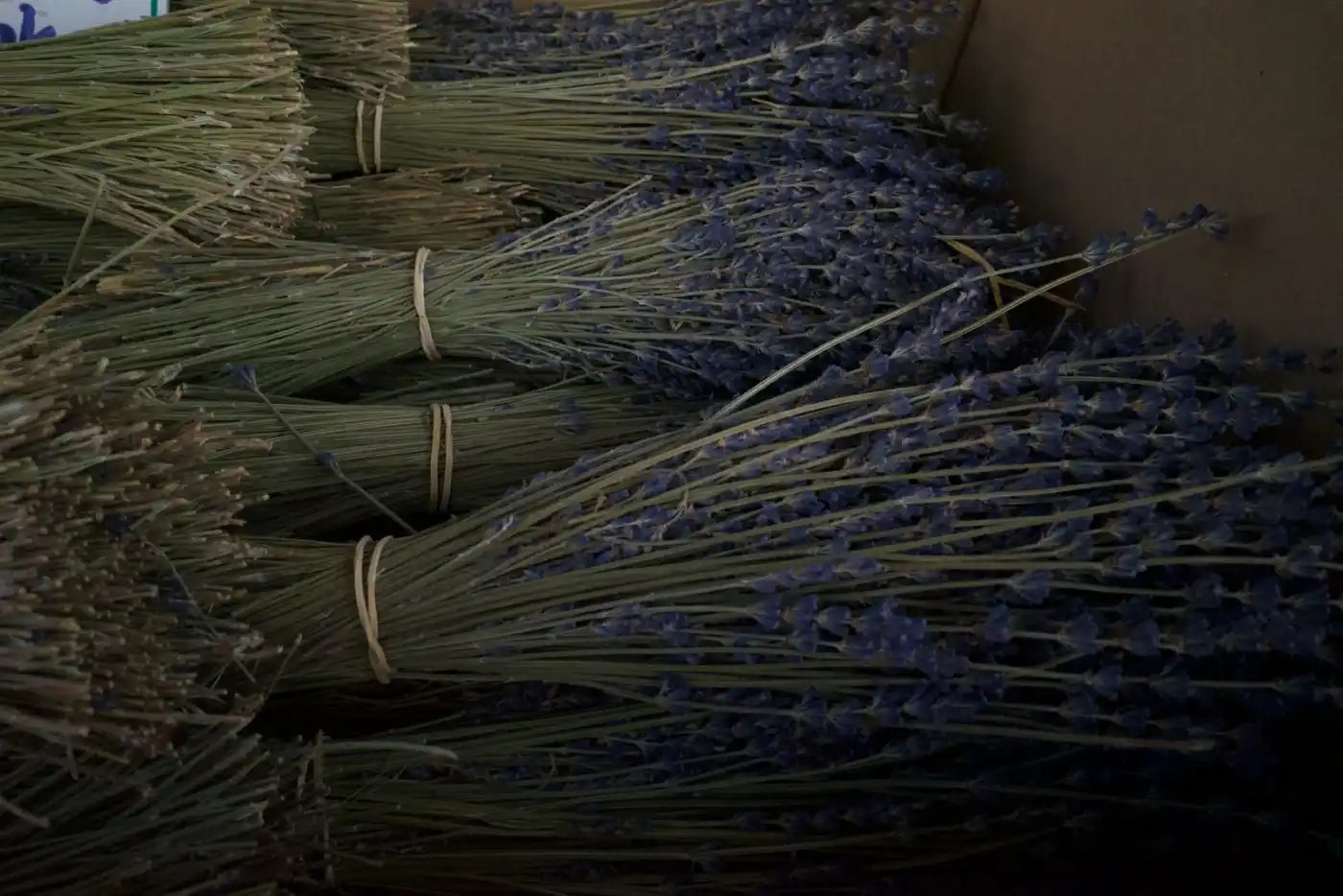
- Choose fragrance made for diffusion. Concentrated essential oils vary between batches and some carry more risk in shared spaces. See essential oils versus fragrance oils.
- Keep levels low. People sensitive to fragrance share offices, clinics and spas.
- Zone carefully. No scent near food preparation, and fragrance-free areas where needed.
- Think about pets. Some oils are risky for animals. See scenting around pets.
- Word it carefully. “A calming scent in our treatment rooms” rather than “lavender to relieve anxiety”.
How to word scent in your marketing
| Avoid | Use instead |
|---|---|
| Lavender to relieve stress and anxiety | A soft lavender scent in our treatment rooms |
| Eucalyptus to clear your airways | A fresh, eucalyptus-led scent in our changing rooms |
| Purifies the air in our office | A light, clean scent at reception |
| Citrus to boost productivity | A bright citrus scent in our lobby |
Where these scents fit in Singapore workplaces
In Singapore offices, aromatherapy-style scents usually belong in reception and client areas rather than on open-plan floors where people sit all day in shared, air-conditioned space. Spas, wellness studios and treatment rooms suit lavender, eucalyptus and soft herbal notes; see our spa scent marketing service and the related lavender and eucalyptus guide. Clinics need extra restraint; see healthcare and clinic scenting. For offices, see our corporate office fragrance service.
Want a calming scent without the health claims? We recommend fragrances for offices, spas and clinics and help you describe them accurately.
Frequently asked questions
Can a business say its scent reduces stress?
It is safer not to. Describe the scent as calming or relaxing in feel, without promising an effect on health.
Are essential oils safe to diffuse in an office?
At low levels, with fragrance formulated for diffusion and within IFRA guidance, scent is widely used in offices. Concentrated essential oils need more care.
Which scents suit a spa?
Lavender, eucalyptus, soft herbal and woody notes, kept low in treatment rooms.
What is the difference between aromatherapy and scent marketing?
Aromatherapy aims at wellbeing and sits close to health claims. Scent marketing uses fragrance to shape how a space and brand are experienced.
Further reading: Aromatherapy on Wikipedia.
About the author
Julius Mitchell, Scent Designer
Julius Mitchell is a Scent Designer at Scent Marketing Singapore, where he has worked for four years and oversees every article on this site. He got hooked on the idea that smell is the one sense brands consistently forget to design for, and that a space's fragrance says as much about it as its logo ever could. He writes about the art and science of scent marketing to help Singapore brands think beyond what customers can see.
Ready to give your workplace a scent people remember?
We assess your space zone by zone, develop the fragrance with drom, and install, service and calibrate it for you, anywhere in Singapore.
- ✓ Site visit and airflow assessment
- ✓ Fragrances formulated within the IFRA Standards
- ✓ One team responsible for how your space smells
Related articles
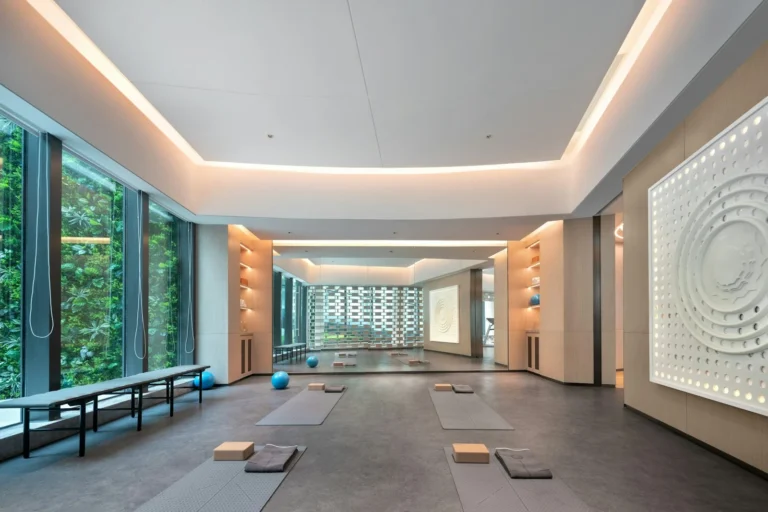 Wellness & Spa ScentingBest Scents for Meditation and Wellness Studios in Singapore, and Why Strong Oils Defeat the PurposeRead more →
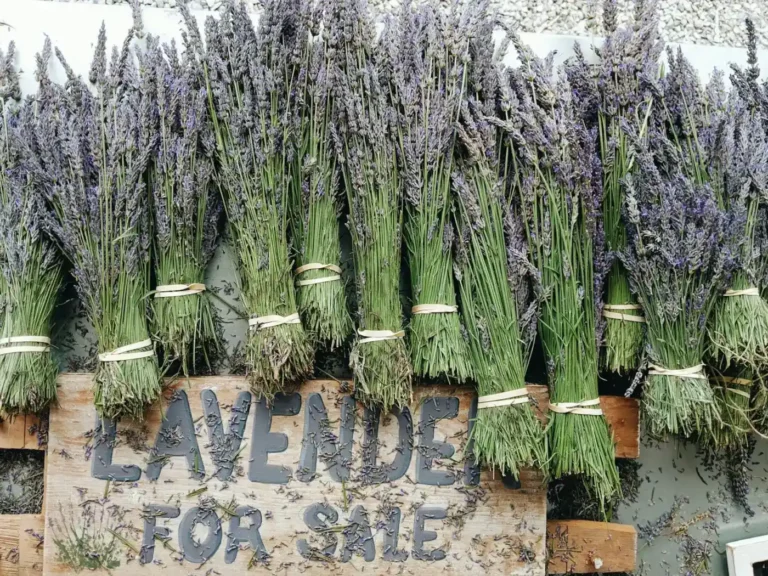 Wellness & Spa ScentingLavender and Eucalyptus: Do They Go Together? Why Blending for Spas Needs a PerfumerRead more →
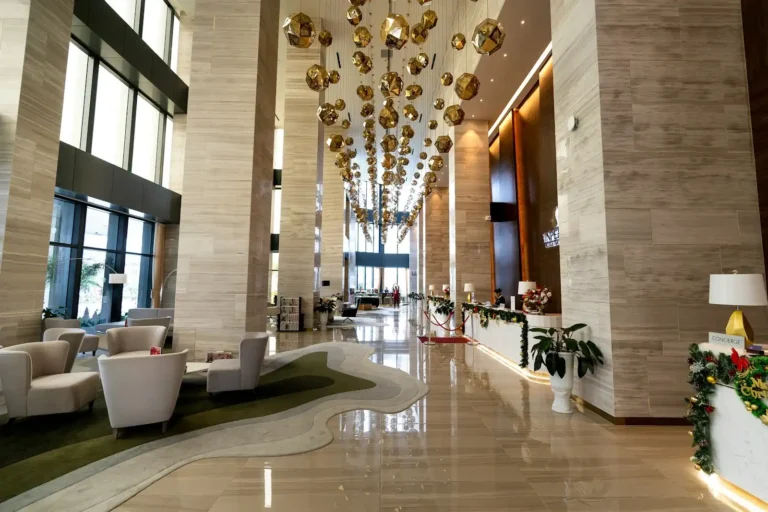 Hospitality & F&B ScentingHotel Scent Diffusers in Singapore: Why Hotel-Inspired Dupes Never Smell Like the Real LobbyRead more →