Green Tea Scent: Why It Works in Singapore Spaces, and Why Cheap Versions Smell Synthetic

Fragrances by drom, MunichFormulated within the IFRA StandardsBased at 9 Raffles Place
Key takeaways
- Green tea smells fresh, grassy and gently vegetal, and a well-made green tea accord stays light in Singapore’s heat and humidity.
- It suits hotels, spas, clinics, offices and malls because it is calm, familiar and doesn’t compete with products.
- Cheap versions smell synthetic because they lean on one sharp or sweet material instead of a balanced accord.
- Scent Marketing Singapore uses tea accords created by drom and formulated within the IFRA Standards, tested on site before installation.
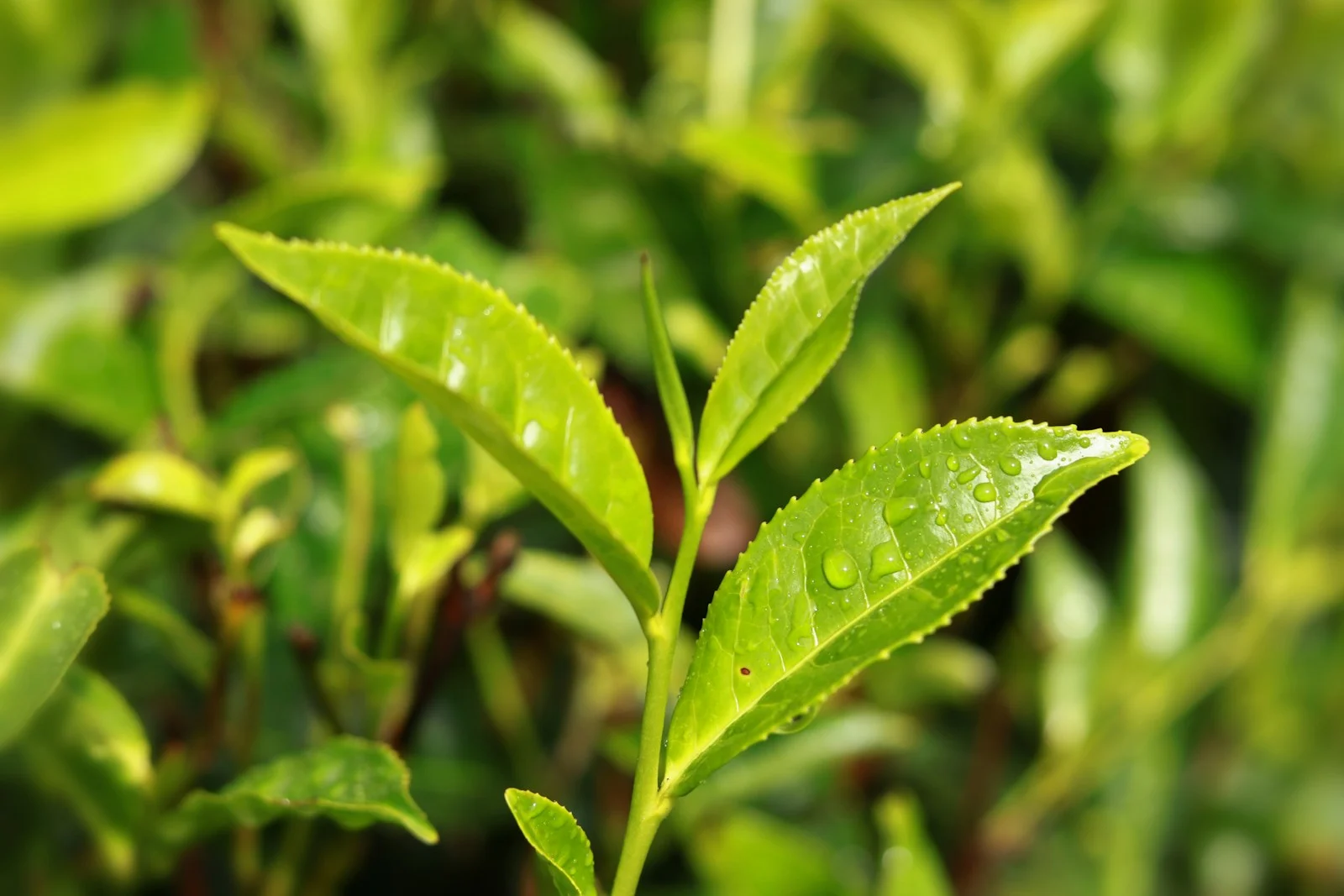
Green tea smells fresh, grassy and gently vegetal, with a soft sweetness and, depending on the tea, notes of cut hay, seaweed or toasted nuts. In a fragrance, a green tea accord is clean, calm and light, which is why it works so well in Singapore’s humid climate and in hotels, spas, offices and malls. Cheap versions smell synthetic because they overdo one or two sharp or sweet materials instead of building a balanced accord.
What green tea smells like
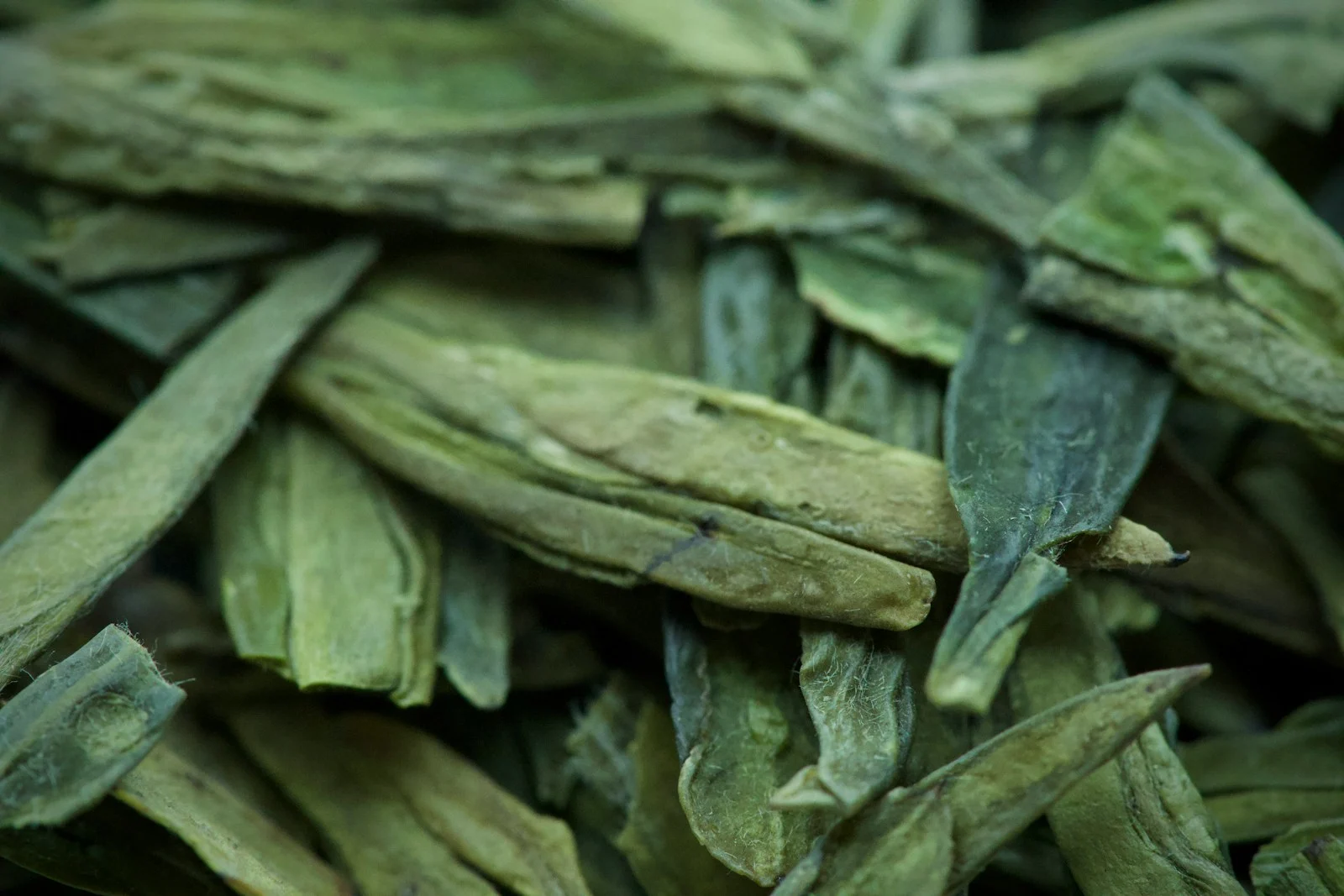
- Japanese green teas such as sencha are often grassy and marine, with a hint of seaweed.
- Chinese pan-fired green teas such as Longjing tend to be softer and toastier, with nutty notes.
- The “green” note comes partly from compounds also found in freshly cut leaves and grass, such as cis-3-hexenol, often called leaf alcohol.
Green tea in perfumery
Real tea leaves do not give a usable fragrance oil on their own, so perfumers build a tea accord from several materials: fresh green notes, soft florals such as jasmine, light citrus such as bergamot, and gentle musks or woods. Tea became a major theme in perfumery in the 1990s, and white tea and green tea accords are now widely used in hotel and retail scenting.
Bulgari’s Eau Parfumée au Thé Vert, composed by Jean-Claude Ellena and launched in 1992, is widely credited with making tea a fashionable theme in fine fragrance. Its airy, transparent style is still the reference for tea accords used in hospitality today.
Green tea in Singapore spaces
Singapore has its own tea-scented landmarks. ION Orchard’s scent identity is built around white tea and bergamot; read how ION Orchard uses scent. A published case study on Mondrian Singapore Duxton describes a green tea and lemongrass fragrance in its washrooms and a white tea and bamboo scent at its rooftop pool and lounge. Tea accords also suit clinics, co-working spaces and spas, where a calm, clean impression matters more than a statement.
Why it works in Singapore
- Light in the heat. Fresh, airy notes stay pleasant in humid air where heavier scents feel cloying.
- Widely liked. Tea is familiar across cultures in Singapore, so the scent feels welcoming rather than foreign.
- Versatile. It suits lobbies, spas, clinics, offices and retail without competing with products.
- Calm without being sleepy. Green notes read as fresh and clean, which suits busy spaces as well as quiet ones.

Why cheap versions smell synthetic
- One-note. A single sharp green material without the florals and citrus that soften it.
- Too sweet. Sugary notes added to make it “nice”, which turns tea into candy.
- Too strong. Overdosed in the diffuser, which exaggerates any harshness.
- Unstable. Poor oils change character within weeks, especially in heat.
A professionally composed tea accord, created by a perfume house such as drom and formulated within the IFRA Standards, stays balanced in diffusion. For the families that tea sits within, see fragrance families.
Green tea or white tea?
White tea accords are usually softer, more floral and slightly powdery; green tea accords are greener, fresher and a little sharper. White tea tends to suit hotel lobbies and premium retail, green tea suits spas, clinics and washrooms, and many signature scents blend the two with citrus or bamboo notes.
Considering a tea scent for your space? We recommend tea-based options for your space and, for larger projects, arrange samples to smell on site before you choose.
For spaces, see our spa scenting and hotel scent marketing services.
Frequently asked questions
What does green tea smell like?
Fresh, grassy and gently vegetal, with a soft sweetness and, depending on the tea, notes of hay, seaweed or toasted nuts.
What is the difference between green tea and white tea scents?
White tea accords are usually softer, more floral and powdery; green tea accords are greener and fresher.
Is green tea a good scent for a business?
It is one of the most versatile, suiting hotels, spas, offices and retail, especially in a warm climate.
Is a green tea scent made from real tea?
Rarely. Tea leaves don’t yield a usable oil, so perfumers recreate the smell with a blend of materials.
Further reading: Green tea on Wikipedia.
About the author
Julius Mitchell, Scent Designer
Julius Mitchell is a Scent Designer at Scent Marketing Singapore, where he has worked for four years and oversees every article on this site. He got hooked on the idea that smell is the one sense brands consistently forget to design for, and that a space's fragrance says as much about it as its logo ever could. He writes about the art and science of scent marketing to help Singapore brands think beyond what customers can see.
Ready to give your space a scent people remember?
We assess your space zone by zone, develop the fragrance with drom, and install, service and calibrate it for you, anywhere in Singapore.
- ✓ Site visit and airflow assessment
- ✓ Fragrances formulated within the IFRA Standards
- ✓ One team responsible for how your space smells
Related articles
 Hospitality & F&B ScentingHotel Scent Diffusers in Singapore: Why Hotel-Inspired Dupes Never Smell Like the Real LobbyRead more →
 Hospitality & F&B ScentingHow to Design Your Hotel’s Signature Scent in Singapore: Why Leading Hotels Don’t Buy Scent Off the ShelfRead more →
 Hospitality & F&B ScentingScent in Cinemas and Theatres in Singapore: Why Large Auditoriums Need Engineered DiffusionRead more →