Scent in Cinemas and Theatres in Singapore: Why Large Auditoriums Need Engineered Diffusion

Fragrances by drom, MunichFormulated within the IFRA StandardsBased at 9 Raffles Place
Key takeaways
- Cinemas and theatres use scent in two ways: ambient scent in foyers and corridors, and timed effects inside the auditorium.
- Both need engineered diffusion, because an auditorium is a large, sealed space full of people sitting still for two hours.
- Early experiments such as Smell-O-Vision failed on timing and clearance; modern systems use short releases and strong extraction.
- Scent Marketing Singapore scents foyers and large venues through standalone units or the ACMV, with fragrance formulated within the IFRA Standards.
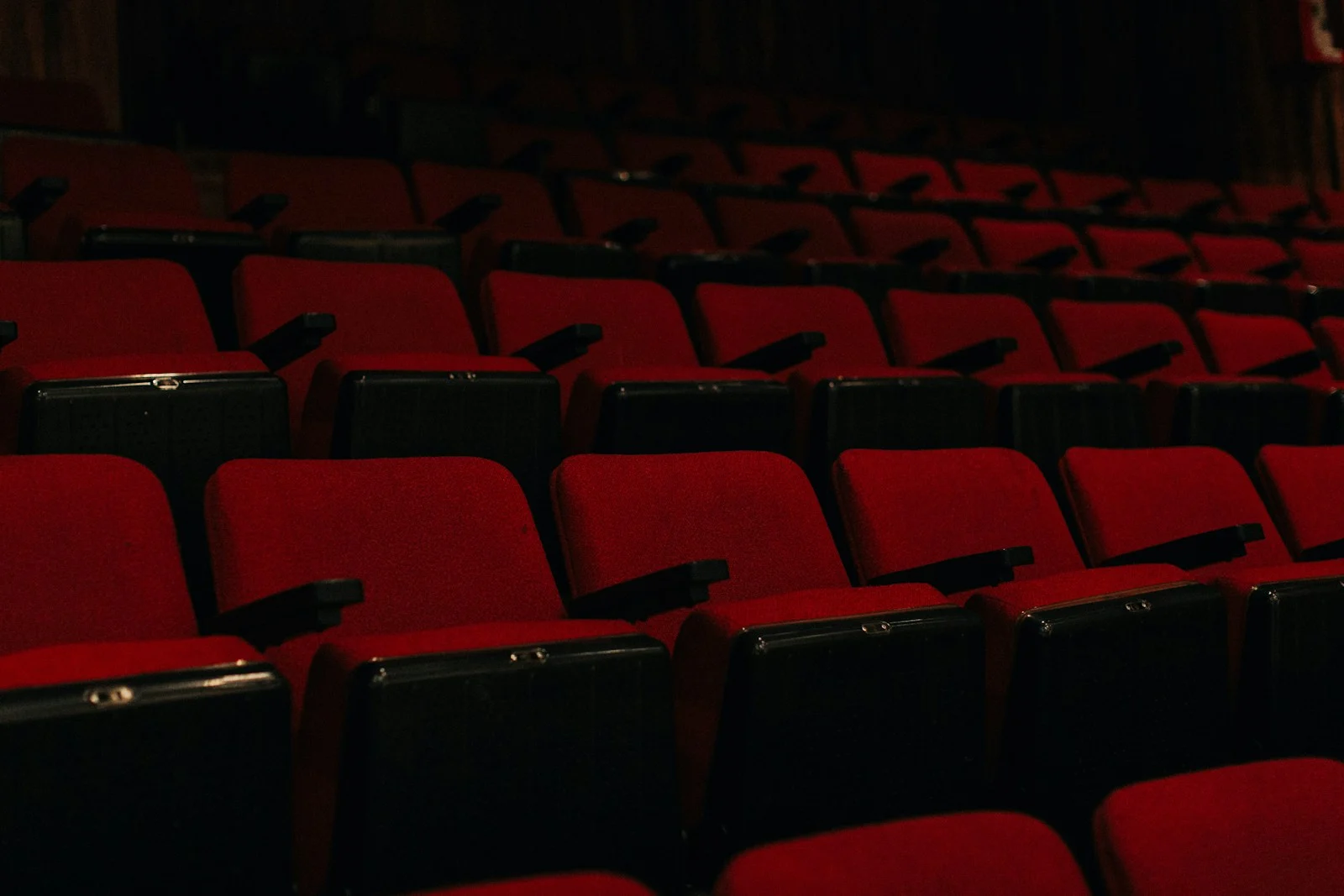
Cinemas and theatres in Singapore can use scent in two very different ways: ambient scent in lobbies, foyers and corridors to shape the arrival experience, and timed scent effects inside the auditorium as part of the show, as in 4D cinema formats. Both need engineered diffusion. An auditorium is a large, sealed volume full of people sitting still for two hours, so any scent that is too strong, too slow to clear or badly timed quickly becomes the only thing the audience notices.
For venue scenting in general, see our commercial scenting service. This guide explains what works in each part of a venue.
A short history of scent at the movies
Film-makers have experimented with scent for decades, and the early attempts are still the best lesson in what not to do.
In 1959, AromaRama released scents through a cinema’s ventilation during Behind the Great Wall. A year later, Smell-O-Vision piped smells to individual seats during Scent of Mystery. Both became famous mostly for their problems: scents arrived late, lingered, mixed with the next one and left audiences complaining. Modern systems learned the lesson, using short, precise releases and strong extraction.
Ambient scent in foyers and lobbies
- A clear welcome. A fresh, light signature scent at entrances and ticketing makes a venue feel cared for.
- Work with the popcorn, not against it. Food smells are part of the cinema experience; scent the entrances and corridors, not the concession area.
- Consistency across sites. A chain can use one scent in every location, like any retail brand.
- Clean air between shows. Corridors and washrooms see heavy use in short bursts, so a fresh scent and good ventilation matter more than strength.
Scent inside the auditorium
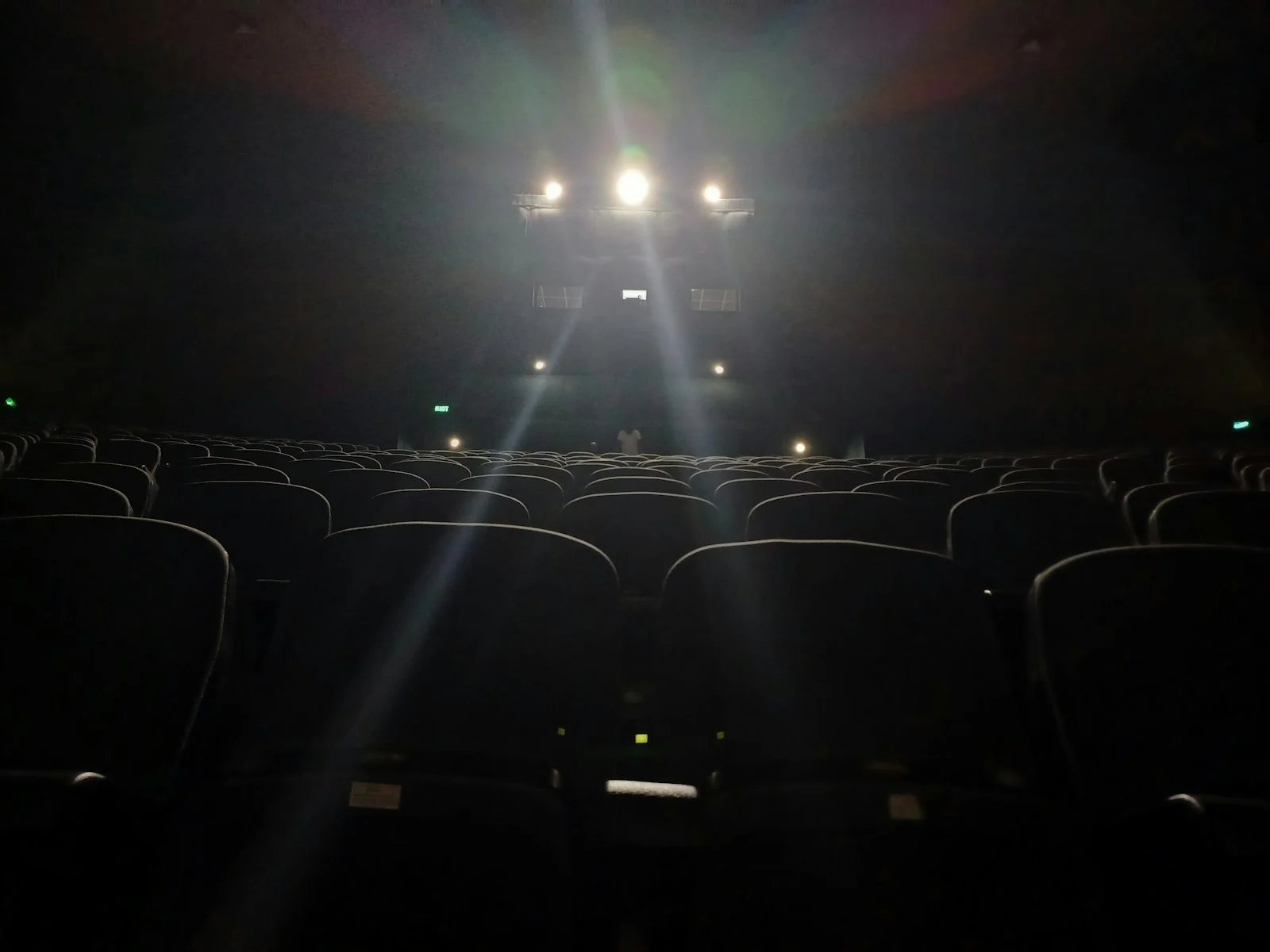
- Timing. Effects must be released in short bursts and synchronised with the action on screen or stage.
- Clearance. Ventilation must remove each scent quickly so the next does not mix with it.
- Low levels. A seated, captive audience magnifies any scent.
- Sensitivities. Some people are sensitive to fragrance, so venue information should mention scent effects.
Why large auditoriums need engineered diffusion
A home or retail diffuser placed in an auditorium creates a strong patch near the unit and nothing at the back rows. Large volumes are scented through the air-handling system or with commercial cold-air units sized and positioned for the airflow, and output is scheduled around screenings and performances. For how this works, see our guide to scenting large spaces and our HVAC and ACMV scent diffusion page.
Theatres and live venues
Live theatre can use scent to set a scene, for example rain, a garden or a kitchen, but with the same discipline: brief releases, strong ventilation and fragrance formulated within the IFRA Standards. Front-of-house areas can carry the venue’s signature scent, and the same scent can follow the brand to bars, merchandise counters and event spaces.
Choosing a foyer scent
- Fresh and light. Citrus, green and soft woody accords suit a busy foyer and fade before the auditorium doors.
- Not sweet. Sweet gourmand notes clash with popcorn and drinks.
- On brand. A premium or boutique cinema can use something warmer and more distinctive in its lounge.
- Tested at peak times. A foyer before a sold-out screening smells very different from one on a quiet weekday afternoon.
Cinemas and venues in Singapore
Most cinemas in Singapore sit inside shopping malls, from the city centre to heartland towns such as Jurong East, Tampines and Woodlands, while larger performing arts venues cluster around Marina Bay and the Civic District. That brings two practical constraints. First, foyers often open onto mall concourses, so any scent has to work with the mall’s own scent and air movement. Second, auditoriums are usually served by the building’s ACMV, so scent delivery and extraction need to be agreed with the venue’s facilities team or the mall’s building management.
Scenting a cinema, theatre or event venue in Singapore? We assess airflow in the foyer and auditorium and design delivery around your schedule.
For one-off launches, premieres and exhibitions, see our event and exhibition scenting service.
Frequently asked questions
Do cinemas use scent?
Some do: in foyers as ambient scent, and in 4D formats as timed effects during the film.
What was Smell-O-Vision?
A 1960 system that released smells to the seats during a film. It struggled with timing and lingering scents, which is why modern systems use short releases and strong extraction.
Is scent in an auditorium safe?
With IFRA-formulated fragrance, short releases, good ventilation and clear information for sensitive guests, it is widely used.
Can a cinema chain use one scent in every location?
Yes. A consistent foyer scent works like a logo, as long as it is set for each site’s size and airflow.
Should the concession area be scented?
Usually not. The smell of popcorn is part of the experience, and adding fragrance there competes with it.
Further reading: Movie theaters on Wikipedia.
About the author
Julius Mitchell, Scent Designer
Julius Mitchell is a Scent Designer at Scent Marketing Singapore, where he has worked for four years and oversees every article on this site. He got hooked on the idea that smell is the one sense brands consistently forget to design for, and that a space's fragrance says as much about it as its logo ever could. He writes about the art and science of scent marketing to help Singapore brands think beyond what customers can see.
Ready to give your venue a scent people remember?
We assess your space zone by zone, develop the fragrance with drom, and install, service and calibrate it for you, anywhere in Singapore.
- ✓ Site visit and airflow assessment
- ✓ Fragrances formulated within the IFRA Standards
- ✓ One team responsible for how your space smells
Related articles
 Hospitality & F&B ScentingHotel Scent Diffusers in Singapore: Why Hotel-Inspired Dupes Never Smell Like the Real LobbyRead more →
 Hospitality & F&B ScentingHow to Design Your Hotel’s Signature Scent in Singapore: Why Leading Hotels Don’t Buy Scent Off the ShelfRead more →
 Hospitality & F&B ScentingScent Marketing for Restaurants and Cafés in Singapore: Why Scenting Near Food Needs a ProfessionalRead more →